Always at the top
The Department of Cell and Developmental Biology, begun as the Department of Anatomy over one hundred years ago, is interested in fundamental questions in biology that ultimately relate to human health and disease. The department hosts a full complement of outstanding faculty, post-docs, and students, with diverse backgrounds and interests. Visit us to learn more about unique research opportunities.
Cell biologists on our faculty study the dynamic regulation of intracellular trafficking, protein secretion, cell polarity, cell shape, oncogene function, and cell-matrix interactions.
Read more
Developmental biologists in the department investigate germ cell differentiation, transcriptional repression in pattern formation, gene regulatory networks, and morphogenesis of organ systems.
Read more
Our vascular biologists study molecular pathways that control cardiac development, blood vessel formation in embryonic and adult model systems, stem cell contributions to vascular development, and vascular cell signaling.
Read more
Neurobiologists on our faculty focus on the formation of the notochord, patterning events in the developing cerebral cortex, and neuronal precursor cells.
Read more
The program is an interdisciplinary unit whose principal mission is to teach Gross Anatomy and Functional Neuroanatomy to medical and physician assistant students. In addition, it collaborates with other departments in developing innovative approaches to gross anatomy teaching and educational research. Find out more
Donor Program Forms
Our Department is engaged in cutting-edge research across a broad spectrum of interest areas. We welcome inquiries into our available research positions. Find out more
Our Department recruits some of the most talented students and postgraduate fellows in research today. Click on the links below to learn more. Our Students
Our Postgraduate Fellows
3,000 students graduate each year find a job within 2 months
Join them and increase your chances to get hired.
Driven by Excellence
Teachers are selected among experts of their domains. They are not just professors, they are professionals in their field of expertise.
Journalists, directors, developers, etc. working effectively in their fields of excellence.

Faculties
Nationalities
Libraries
Students
What makes us different?
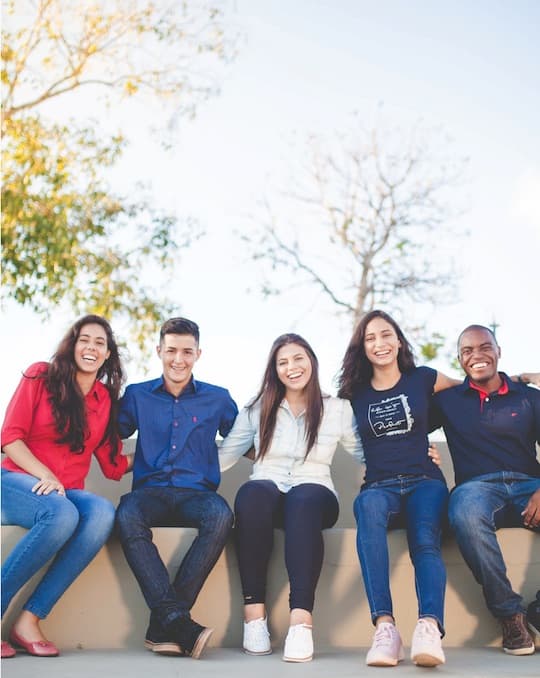
We make sure that everyone blossoms. We keep a human size in a warm and modern setting. All students benefit from individualised support.
All students benefit from individualised support.
Programmes
Are you searching for a school where cutting-edge programmes are taught, in a continually evolving environment and located in the heart of a dynamic city? You have just found it!
The campus
The small and modern campus is only a 10-minute walk away from the city centre and is easily accessible by car and public transport. It is also close to the train stations.